


Lead Paint Inspection Came Back Positive? Here’s What to Do Next
Receiving a positive lead paint inspection result can be concerning, especially if you are planning a renovation, purchasing an older property, or have children or pets living in the home.
But identifying lead paint is only the first step.
Once testing confirms that lead-based paint is present, the next question is: What should you do about it?
Depending on the location and condition of the paint, the appropriate solution may involve containment, encapsulation, removal, or replacement of affected materials. If removal is necessary, it is important that the work is carefully controlled.
Disturbing lead-based paint without proper precautions can release lead-contaminated dust and particles into the property, potentially turning a localized problem into a much larger contamination issue.
Understanding your remediation options and working with experienced environmental professionals can help you move forward safely.
Your lead paint test was positive. What does that mean?
A positive test means that lead has been identified in one or more painted surfaces or materials in your property. Lead-based paint is more commonly associated with older homes and buildings. Even when newer coats of paint have been applied, older lead-containing layers may still remain underneath.
Lead paint may be found on surfaces such as:
- Walls and ceilings
- Window frames
- Doors and door frames
- Baseboards and trim
- Stair railings
- Porches
- Exterior siding
- Older cabinets and built-in features
A positive result does not automatically mean every painted surface needs to be removed.
The next step is determining where the lead-containing material is located, what condition it is in, and whether upcoming work will disturb it.
These factors help determine the appropriate remediation strategy.
Does lead paint always need to be removed?
Not necessarily, lead-based paint that remains intact and undisturbed may present a lower risk than paint that is deteriorating or being disturbed.
Depending on the circumstances, encapsulation or another form of management may be appropriate. In other situations, professional removal may be the recommended solution.
Removal becomes a greater consideration when the paint is:
- Peeling
- Chipping
- Cracking
- Flaking
- Located on high-friction surfaces
- Accessible to children
- Being disturbed during renovations
- Located on materials scheduled for demolition or replacement
This is why a positive inspection should be followed by an evaluation of the affected areas and the work you plan to perform.
The goal is not simply to remove paint. The goal is to manage the lead-containing material safely while minimizing the risk of exposure and contamination.
Planning a renovation after a positive lead paint test?
If you discovered lead paint as part of a pre-renovation inspection, knowing about it before construction begins gives you an important opportunity to address the hazard properly.
Renovation activities can disturb previously stable lead paint. Activities such as sanding, scraping, drilling, cutting, demolition, or removing painted building materials can generate contaminated dust and spread it beyond the original work area.
If lead-containing materials are located in the renovation area, remediation should therefore be incorporated into the project plan before those materials are disturbed.
Doing so can help:
- Reduce the spread of lead-contaminated dust
- Protect occupants and workers
- Keep contamination from reaching unaffected areas
- Avoid unexpected interruptions during renovation
- Prepare affected areas for subsequent construction work
Finding lead before renovation begins is much easier to manage than discovering it after demolition has already spread contaminated dust.
If your inspection has already confirmed lead paint, contact All Clear Environmental before beginning demolition or disturbing the affected materials.
Why DIY lead paint removal can make the problem worse
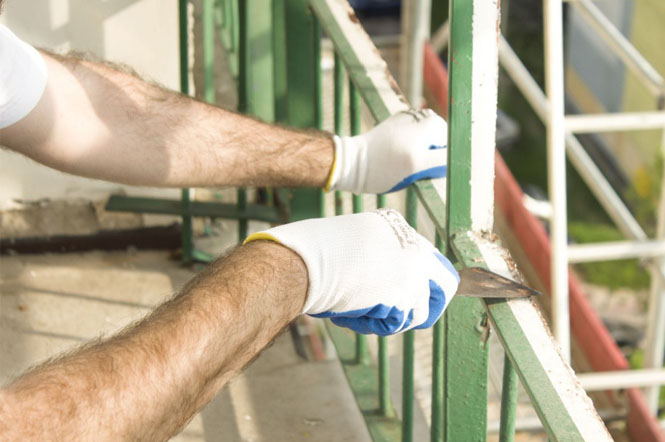
Once homeowners know that lead paint is present, it can be tempting to simply scrape, sand, or remove it themselves. Unfortunately, improper removal can create a greater exposure risk than leaving the material undisturbed. Sanding, scraping, drilling, cutting, and other aggressive methods can turn lead-containing paint into very fine dust. That dust can travel beyond the immediate work area and settle throughout the property.
Contamination may reach:
- Flooring
- Carpets
- Furniture
- Clothing
- Children’s toys
- Window surfaces
- Adjacent rooms
- Heating and ventilation areas
Because lead dust can be extremely fine, simply cleaning the room as you would after an ordinary renovation may not adequately address the contamination. Without proper containment, a problem that originally affected only a few painted surfaces can potentially spread to other parts of the property.
This is one of the main reasons professional lead paint remediation is important.
What happens during professional lead paint remediation?
Every property is different, so the remediation plan should reflect the location, condition, and extent of the lead-containing materials.
When professional removal or remediation is appropriate, the work typically involves several controlled stages.
1. Evaluating the Affected Area
Before remediation begins, the affected surfaces and surrounding areas are reviewed.
The remediation approach may depend on factors such as the type of material, its condition, accessibility, and the renovation or demolition work planned afterward.
If you already have an inspection or laboratory report identifying lead-containing materials, this information can help define the areas that require attention.
2. Preparing and Containing the Work Area
Containment is an important part of controlling lead dust. The work area may need to be separated from unaffected portions of the property so that particles generated during remediation do not migrate into adjacent spaces.
Depending on the project, specialized barriers and other containment procedures may be used to isolate the work area.
The objective is simple: keep the contamination controlled while the affected materials are being handled.
3. Protecting Workers and Occupants
Lead remediation requires appropriate work procedures and protective equipment.
Workers performing the remediation may use respiratory protection, disposable protective clothing, and other equipment appropriate to the project.
Occupants, particularly children and pregnant women, should not be unnecessarily exposed to areas where lead-containing materials are being disturbed.
Proper planning helps keep the remediation activity separated from occupied and unaffected areas of the property.
4. Controlled Removal or Remediation
There is no single removal technique that applies to every lead paint project.
The appropriate method depends on the affected surface, its condition, the extent of the contamination, and what will happen to the material afterward.
Possible approaches may include:
- Controlled removal
- Encapsulation
- Replacement of affected components
- Wet removal techniques
- Other specialized remediation procedures
The objective is to address the identified lead-containing material while minimizing the generation and spread of contaminated dust.
This is significantly different from simply sanding or scraping old paint from a surface.
5. HEPA Cleaning
Removing the affected material is only part of the process.
Fine lead-containing particles may remain on nearby surfaces even after the visible paint or building material has been removed.
Professional remediation can include detailed cleaning using industrial HEPA-filtered equipment designed to capture very fine particles.
Floors, surfaces, equipment, and other areas within the controlled work zone may require thorough cleaning before the area can return to normal use.
6. Final Review
After remediation and cleaning are completed, the work area is reviewed before normal use or subsequent renovation activities resume.
This final stage helps confirm that the remediation work has been completed and that the area is ready for the next phase of the project.
Why professional lead paint removal matters
Once lead paint has been identified, proper removal is about more than simply taking old paint off a surface. It is about managing the entire process safely from beginning to end.
Professional remediation follows controlled procedures designed to reduce the spread of lead dust and protect the people and pets who may be present in or around the property.
The steps outlined above, including evaluating the affected area, establishing proper containment, using appropriate protective equipment, applying controlled removal methods, performing specialized HEPA cleaning, and completing a final review, all play an important role in managing lead-containing materials safely.
Professional remediation also helps ensure that contaminated materials and debris are properly handled and disposed of according to applicable requirements, rather than being treated as ordinary renovation waste.
For these reasons, lead paint removal should not be approached as a typical DIY painting or renovation project. Working with experienced environmental professionals helps protect occupants, pets, workers, and surrounding areas while ensuring the affected materials are removed, handled, and disposed of properly
Already tested positive for lead paint? All Clear Environmental Can Help
If your inspection or laboratory testing has confirmed lead paint in your property, All Clear Environmental can help you take the next step with professional removal and remediation.
Our experienced team follows controlled procedures to safely remove lead-containing materials while helping minimize the spread of contaminated dust and protecting occupants, pets, workers, and surrounding areas.
In addition to lead paint remediation, All Clear Environmental provides professional removal and remediation services for other hazardous materials commonly found in older properties, including asbestos and UFFI (Urea-Formaldehyde Foam Insulation).
Whether you are preparing for a renovation, addressing a known hazardous material, or need contaminated materials properly removed and disposed of, our team can help manage the process safely and professionally.
Your inspection identified hazard material? Let All Clear Environmental handle the removal.
Contact All Clear Environmental today to discuss lead paint, asbestos, UFFI, and other hazardous material removal and remediation services for your property.