

How to Tell if Your Home Has Asbestos: 10 Common Places to Check
Asbestos was once considered a miracle material. Because it was strong, inexpensive, heat-resistant, and durable, it was widely used in residential construction for decades. Although its use has been restricted, many homes built before the 1990s may still contain asbestos-containing materials hidden behind walls, under flooring, or above ceilings.
The challenge for homeowners is that asbestos isn’t always obvious. Most materials look perfectly normal, and asbestos fibers cannot be seen with the naked eye. In many cases, homeowners only discover its presence after starting a renovation project or when damage exposes hidden materials.
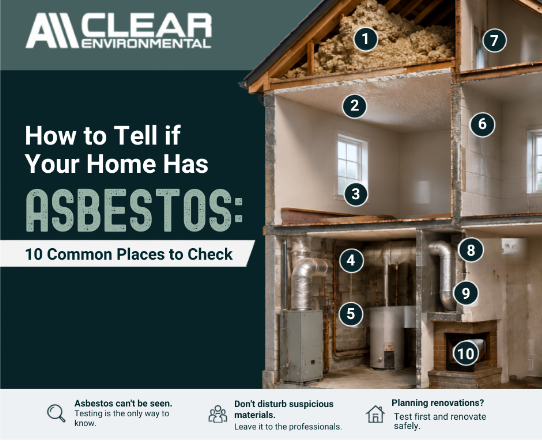
Knowing where asbestos is commonly found can help you recognize potential risks before they become dangerous. Here are ten common places to check if you suspect your home may contain asbestos.
1. Vermiculite Attic Insulation
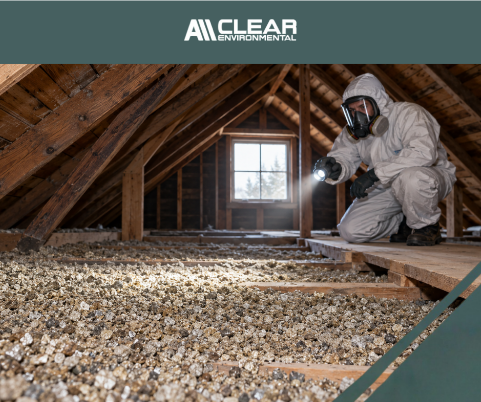
One of the most common sources of asbestos found in older Canadian homes is vermiculite insulation. This loose-fill insulation resembles lightweight gray or brown pebbles and was frequently installed in attics.
Some vermiculite products, particularly those sold under the Zonolite brand, were contaminated with asbestos during the mining process. Since it can easily release fibers when disturbed, homeowners should avoid entering attics unnecessarily or moving insulation around.
If your home contains vermiculite insulation, professional testing is strongly recommended before beginning any renovation work.
Warning signs:
- Loose pebble-like insulation in the attic.
- Homes built before 1990.
- Previous renovations involving the attic.
- Unknown insulation materials.
2. Popcorn Ceilings
Textured ceilings became extremely popular throughout the 1960s, 1970s, and early 1980s. These decorative finishes often contained asbestos because of their fire-resistant and sound-absorbing properties.
While intact popcorn ceilings may not pose an immediate risk, scraping, sanding, or drilling into the surface can release microscopic fibers into the air.
Many homeowners unknowingly expose themselves during remodeling projects when removing outdated ceiling textures.
Warning signs:
- Textured ceilings installed before the late 1980s.
- Water damage or cracks in the surface.
- Plans to renovate or modernize ceilings.
3. Vinyl Floor Tiles and Adhesives
Vinyl floor tiles and the adhesives used underneath them frequently contained asbestos. Black mastic adhesive, commonly found beneath older flooring, is another material that may contain asbestos fibers.
Even if the tiles appear damaged or worn, removing them without proper procedures can create airborne contamination.
Fortunately, intact flooring does not necessarily require immediate removal. Professional assessment can determine the safest approach.
Common locations:
- Kitchens.
- Basements.
- Laundry rooms.
- Entryways.
4. Pipe Insulation Around Boilers and Heating Systems
Older heating systems often used asbestos-containing insulation around pipes, boilers, and hot water systems.
This insulation may appear white, gray, or wrapped in cloth-like material. Over time, age and moisture can cause the insulation to deteriorate, increasing the risk of airborne fibers.
Because these materials are often located in utility rooms or unfinished basements, many homeowners overlook them for years.
Signs to watch for:
- Crumbling insulation.
- Damaged wrapping around pipes.
- Aging boiler systems.
- Exposed heating components.
5. Drywall Joint Compound
Many people are surprised to learn that drywall itself isn’t always the problem. Instead, the joint compound used to finish seams and corners may contain asbestos.
This becomes particularly important during renovations because sanding drywall creates fine dust that can spread throughout the house.
If your home was built before the late 1980s, it is wise to test drywall compounds before demolition or major remodeling.
Areas where it may be present:
- Basement finishing.
- Interior walls.
- Ceilings.
- Garage walls.
6. Exterior Siding and Cement Products
Asbestos cement siding was widely used because it was durable, weather-resistant, and fireproof.
Unlike friable asbestos materials, cement siding generally poses little risk when left undisturbed. However, cutting, drilling, or breaking these panels can release fibers.
Many older homes throughout Ontario still contain original asbestos cement siding that remains in relatively good condition.
Warning signs:
- Hard cement-like panels.
- Older exterior cladding.
- Cracked or damaged siding.
- Planned exterior renovations.
7. Roofing Materials
Roof shingles, roofing felt, and flashing materials may contain asbestos, particularly in homes built decades ago.
Because roofing projects involve tearing, cutting, and handling large amounts of material, identifying asbestos before replacement is essential.
Roofing contractors often recommend testing older materials before beginning work.
Common materials:
- Asphalt shingles.
- Roofing felt.
- Flashing.
- Sealants.
8. HVAC Duct Insulation
Heating and ventilation systems in older homes sometimes contain asbestos insulation around ducts and air handling components.
This insulation helped maintain temperature efficiency and improve fire resistance. However, damaged or deteriorating insulation can become a health concern because HVAC systems circulate air throughout the entire home.
If you notice damaged insulation around ductwork, avoid disturbing it and consult a qualified asbestos professional.
Areas to inspect:
- Furnace rooms.
- Basement ductwork.
- Mechanical rooms.
- Around old air handlers.
9. Plaster Walls and Ceiling Materials
Traditional plaster walls were often reinforced with asbestos-containing compounds.
Although these materials may remain stable for decades, renovation projects involving demolition or sanding can release hazardous fibers.
Homeowners remodeling older homes frequently encounter hidden asbestos behind walls and ceilings.
Risk factors include:
- Homes built before 1985.
- Cracked plaster.
- Water damage.
- Major remodeling projects.
10. Around Fireplaces and Wood Stoves
Because asbestos resists heat exceptionally well, it was commonly used around fireplaces, chimneys, wood stoves, and furnace components.
Panels, insulation, and seals around these areas may contain asbestos materials that remain hidden for years.
If you’re restoring an older fireplace or replacing a wood-burning stove, professional inspection is recommended before work begins.
Typical locations:
- Fireplace surrounds.
- Chimneys.
- Heat shields.
- Furnace gaskets.
Can You Identify Asbestos by Looking at It?
Unfortunately, no.
Asbestos fibers are microscopic, and many asbestos-containing materials look identical to non-asbestos products. Even experienced professionals cannot confirm the presence of asbestos through visual inspection alone.
Laboratory analysis remains the only reliable way to determine whether a material contains asbestos.
For that reason, homeowners should avoid making assumptions based solely on appearance.
What Should You Do if You Suspect Asbestos?
Finding a suspicious material doesn’t necessarily mean your family is in danger.
Materials that remain intact and undisturbed generally present minimal risk. Problems arise when they are cut, drilled, broken, or deteriorate over time.
If you suspect asbestos:
- Do not touch the material.
- Avoid sweeping or vacuuming debris.
- Restrict access to the area.
- Delay renovation work.
- Contact certified asbestos professionals for testing.
These precautions can significantly reduce the chance of fiber exposure.
Why Testing Before Renovating Is So Important
Many homeowners discover asbestos after starting demolition projects. Unfortunately, by that point, contamination may have already occurred.
Testing before renovations helps:
- Protect your family.
- Prevent costly cleanup.
- Avoid construction delays.
- Ensure regulatory compliance.
- Give contractors accurate information before work begins.
Whether you’re renovating a kitchen, removing popcorn ceilings, replacing flooring, or finishing a basement, asbestos testing provides peace of mind.
Protect Your Home With Professional Asbestos Inspection
If your home was built before the 1990s, understanding where asbestos may be hiding is the first step toward protecting your property and your family’s health.
Professional inspection and testing can identify potential hazards and help determine the safest solution, whether that involves management, encapsulation, or removal.
At All Clear Environmental Services, we provide asbestos inspection, testing, and safe removal services throughout Ontario. Our experienced team helps homeowners identify hidden hazards and complete projects safely and confidently.
If you suspect asbestos in your home, contact All Clear Environmental Services today to schedule an inspection and gain peace of mind before your next renovation project.