The invisible dangers after renovation or demolition: indoor air quality and how to monitor it
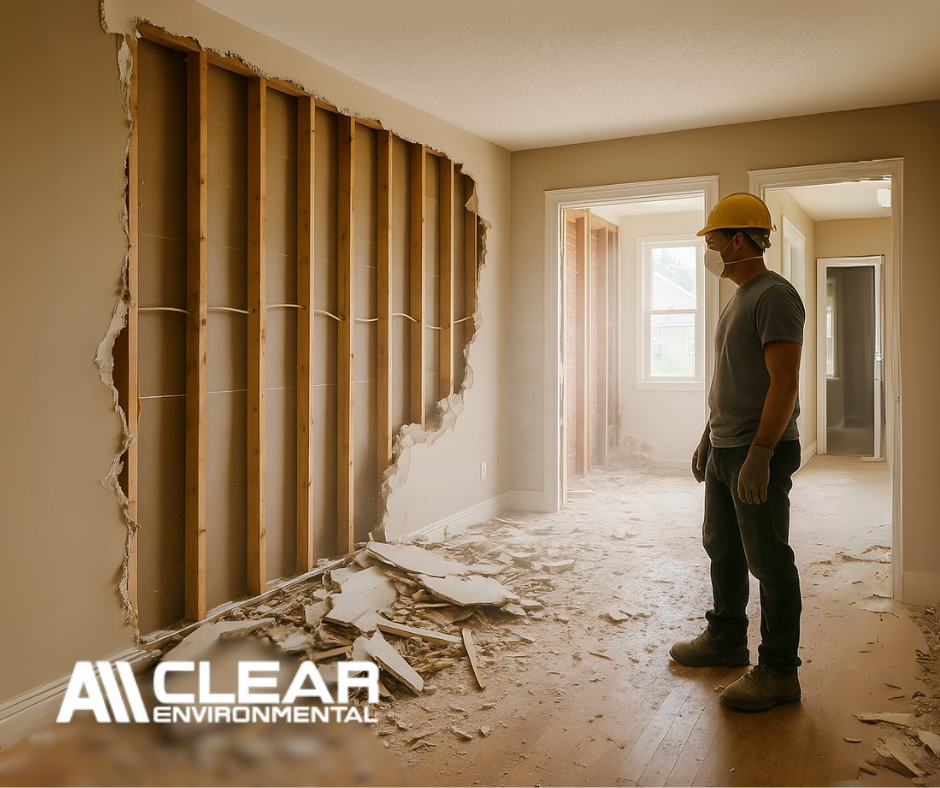
When people think about renovations or interior demolition, their minds often go to dust, noise, and debris scattered across the room. Once the construction is done and the visible mess is cleaned up, it is easy to assume that the environment is safe and ready to use. However, what lingers in the air after these projects can have a much greater impact on your health and comfort than the debris you can see.
Invisible pollutants released during demolition or renovation can continue to circulate in your home or workplace for weeks or even months. Understanding these risks, learning how to monitor them, and taking the right steps to remediate the air are critical parts of protecting your family, your employees, and your property.
In this article we will explore the hidden dangers left behind after a renovation or demolition, the health risks they present, how to recognize early warning signs, and the strategies you can use to improve indoor air quality.
Why indoor air quality matters after demolition
Indoor air quality (IAQ) is often overlooked, especially in newly renovated or newly-demolished spaces. Dust may settle and surfaces may appear clean, but harmful particles can remain suspended, entering the respiratory system over time.
Poor indoor air quality does not just cause temporary discomfort. Long-term exposure to pollutants can aggravate chronic illnesses, increase allergy symptoms, and create unsafe living conditions. Renovation dust, in particular, contains microscopic particles that can penetrate deep into the respiratory system.
This is why professional monitoring and remediation are essential once a construction project ends. What you cannot see may be far more dangerous than the mess that was carried out in garbage bags.
Common pollutants that remain after renovation or demolition
The invisible hazards that undermine indoor air quality depend on the nature of the project, the building’s age, and the materials handled. Some of the most common culprits include:
- Construction dust and fine particulates
- Mold spores
- Asbestos fibers
- Volatile organic compounds (VOCs)
- Lead dust
- Other chemical residues and fine particulates
Risks of starting a renovation in buildings with asbestos, mold, or lead
Before beginning any renovation or demolition project, it is important to understand the potential risks hidden within the building. Many older homes and commercial properties in Canada still contain hazardous materials that can be released when walls, floors, or ceilings are disturbed. Without proper precautions, starting a renovation in these conditions can put both workers and occupants at serious risk.
- Asbestos
Commonly used in insulation, ceiling tiles, and floor coverings until the late 1980s, asbestos is harmless if left undisturbed. However, once fibres are released into the air during demolition or drilling, they can be inhaled and cause long-term illnesses, including mesothelioma and asbestosis. In Canada, asbestos handling and removal must be carried out by licensed professionals following strict safety regulations. - Mold
Moisture problems behind walls or under flooring can create hidden mold colonies. A renovation project that opens up these areas may release spores into the air, leading to allergies, respiratory irritation, or chronic illness. Mold should always be professionally assessed and remediated before work begins. - Lead
Properties built before 1978 may have lead-based paint or plumbing components that contain lead. Renovation activities such as sanding, scraping, or demolition can release toxic dust that is especially harmful to children and pregnant women. Canadian guidelines require safe handling and, when necessary, removal by trained professionals.
Because these hazards cannot always be identified by sight alone, professional testing before beginning renovation work is strongly recommended. By confirming the presence of asbestos, mold, or lead in advance, you can plan the project safely, comply with Canadian regulations, and protect everyone involved.
Health risks of poor indoor air quality
Symptoms from poor indoor air quality often develop gradually and may be mistaken for seasonal allergies or general fatigue. Awareness of warning signs is important to avoid prolonged exposure.
Short-term symptoms
- Irritation in the eyes, nose, or throat
- Headaches, dizziness, or nausea
- Persistent coughing
- Shortness of breath
- Heightened allergy reactions
Long-term risks
- Exacerbation of asthma, bronchitis, or COPD
- Increased susceptibility to respiratory infections
- Chronic respiratory conditions
- Long-latency illnesses from asbestos or lead exposure
Signs that your indoor air may be contaminated
Without specialized equipment, these red flags may indicate lingering contamination:
- Persistent dusty or stale smell even after cleaning
- Dust or fine residue reappearing quickly on surfaces
- Frequent sneezing, watery eyes, or coughing when indoors
- Musty odours that hint at mold
- Unexplained tiredness, headaches, or malaise that alleviate when leaving the space
- Inconsistent indoor temperature or poor ventilation
How to monitor indoor air quality after demolition or renovation
Proper monitoring is essential after construction. Here are the most effective methods:
- Professional air testing and laboratory sampling
- Continuous and portable air quality monitors
- Humidity monitoring
- Follow-up inspection after remediation
Strategies to improve air quality after renovation
- Deep cleaning and dust removal
- Air filtration systems
- Enhanced ventilation and air exchange
- Mold remediation and moisture controls
- Asbestos and lead abatement
- Ongoing maintenance and monitoring
The role of professional environmental services
While homeowners and building managers can take many intermediate steps, fully addressing invisible pollutants often requires professional expertise. Certified environmental consultants or contractors possess:
- Proper sampling and analytical tools
- Training and safety gear for hazardous materials such as asbestos, lead, and mold
- Knowledge of Canadian codes, guidelines, and best practices
- Ability to perform pre and post remediation clearance testing
All Clear Environmental has extensive experience with mold removal, asbestos abatement, lead remediation, interior demolition and post-demolition cleanup. By choosing professional services, you are not only protecting your property but also ensuring the health and safety of everyone who enters it.
Conclusion: clean air as a core value
A renovation or demolition project can transform a space aesthetically, but if indoor air quality is neglected it may leave behind long-term health risks. By understanding the types of hidden contaminants, monitoring intelligently, and engaging professionals, you can restore a space that is not only beautiful but genuinely safe to inhabit.If you have recently completed a renovation or demolition in Canada and want confidence that your indoor air is safe, All Clean Environmental is ready to assist. We provide comprehensive testing, expert remediation, and continued air quality support tailored to Canadian standards and client needs.