Mold Removal Toronto: A Complete Guide to Preventing and Eliminating Mold in Your Home
Mold is a persistent issue faced by homeowners in Toronto and across Southern Ontario. It thrives in damp, humid environments and can silently spread behind walls, ceilings, or under floors, often without immediate signs. Not only is mold unsightly and damaging to your property, but it can also pose serious health risks. If you’re dealing with mold in your home, you’re not alone, and more importantly, help is available.
This comprehensive guide will walk you through everything you need to know about mold removal in Toronto, including how mold forms, why it’s dangerous, how to prevent it, what removal entails, and why hiring a professional mold remediation service like All Clear Environmental is essential.
What Is Mold and Why Does It Grow?
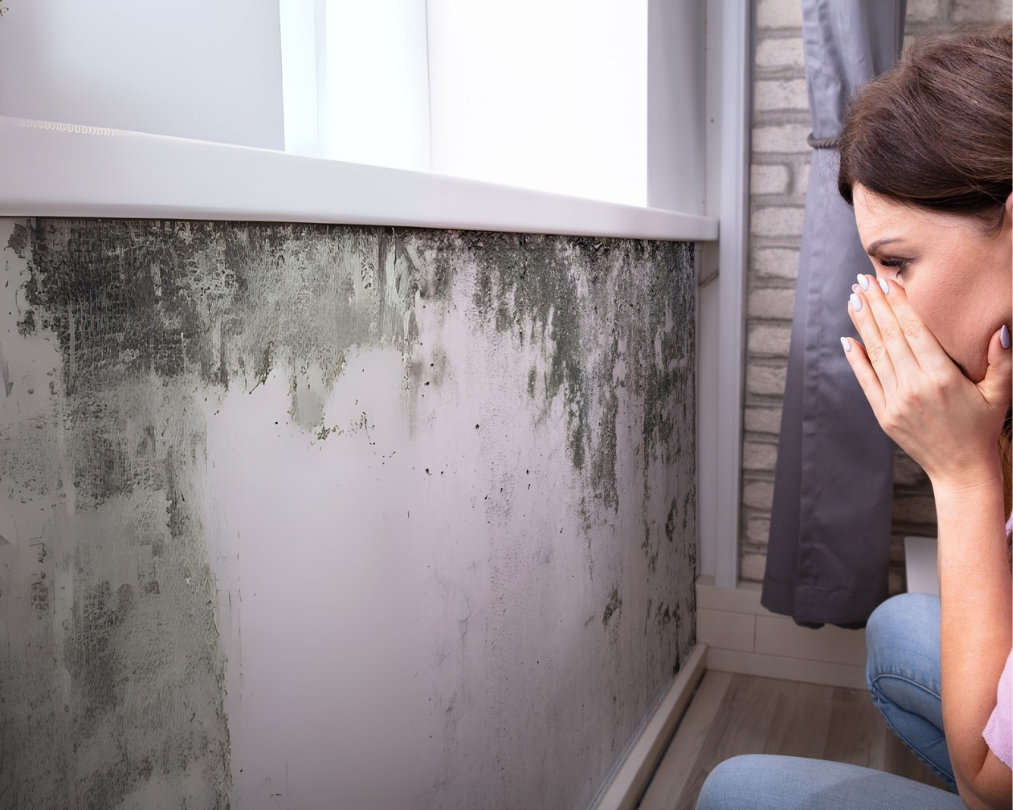
Mold is a type of fungus that reproduces via spores. These spores are always present in the air and can land anywhere. When they find a moist surface, they begin to grow and spread. Toronto’s variable climate, with cold winters, humid summers, and rain in between, creates the perfect breeding ground for mold growth, particularly in basements, bathrooms, attics, and around windows.
Common causes of mold growth include:
- Water leaks (pipes, roofs, foundations)
- Poor ventilation
- Flooding and water damage
- High indoor humidity (above 60%)
- Damp basements and crawl spaces
- Improperly insulated walls and attics
Mold can start forming in as little as 24 to 48 hours after a water intrusion. Early detection and prompt action are critical to preventing damage and protecting your health.
Types of Mold Found in Toronto Homes
There are over 100,000 species of mold, but in homes, the most common ones include:
- Cladosporium – Commonly found on fabrics, wood, and HVAC ducts. Can cause asthma and respiratory issues.
- Penicillium – Often grows on water-damaged materials and can trigger allergies.
- Aspergillus – A common indoor mold that can be toxic in high concentrations.
- Stachybotrys chartarum (Black Mold) – Known for producing toxic compounds (mycotoxins). Requires immediate professional remediation.
Signs You May Have Mold in Your Home
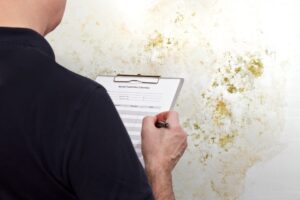
Some mold problems are obvious, like visible green, black, or white spots on walls or ceilings. But others are hidden, growing silently behind drywall, under carpets, or in HVAC systems.
Warning signs include:
- Musty or earthy odors
- Discoloration or staining on walls, ceilings, or floors
- Peeling paint or bubbling wallpaper
- Warped wood or drywall
- Allergy-like symptoms (sneezing, coughing, itchy eyes, skin irritation)
- Increased asthma attacks
- Recurring cold or flu symptoms
If you notice any of these signs, especially after a leak or flood, it’s time to take action.
Is Mold Dangerous? Health Risks You Should Know
Mold can affect everyone, but children, seniors, people with respiratory conditions, and those with compromised immune systems are particularly vulnerable.
Short-term symptoms may include:
- Sneezing and nasal congestion
- Eye irritation
- Coughing and throat irritation
- Skin rashes
Long-term or severe exposure can lead to:
- Chronic respiratory infections
- Asthma exacerbation
- Neurological symptoms (headaches, memory issues)
- Severe allergic reactions
- Immune suppression
Black mold, in particular, has been linked to more serious health concerns due to the presence of mycotoxins, which can be especially hazardous in enclosed, poorly ventilated spaces.
“Health Canada has concluded that indoor mould growth may pose a health hazard. … People living in homes with mould and damp conditions are more likely than others to have eye, nose and throat irritation, coughing and phlegm build‑up, wheezing and shortness of breath, [and] worsening of asthma symptoms.” – Health Canada https://www.canada.ca/en/health-canada/services/publications/healthy-living/addressing-moisture-mould-your-home.html
Mold Removal Process in Toronto: Step-by-Step
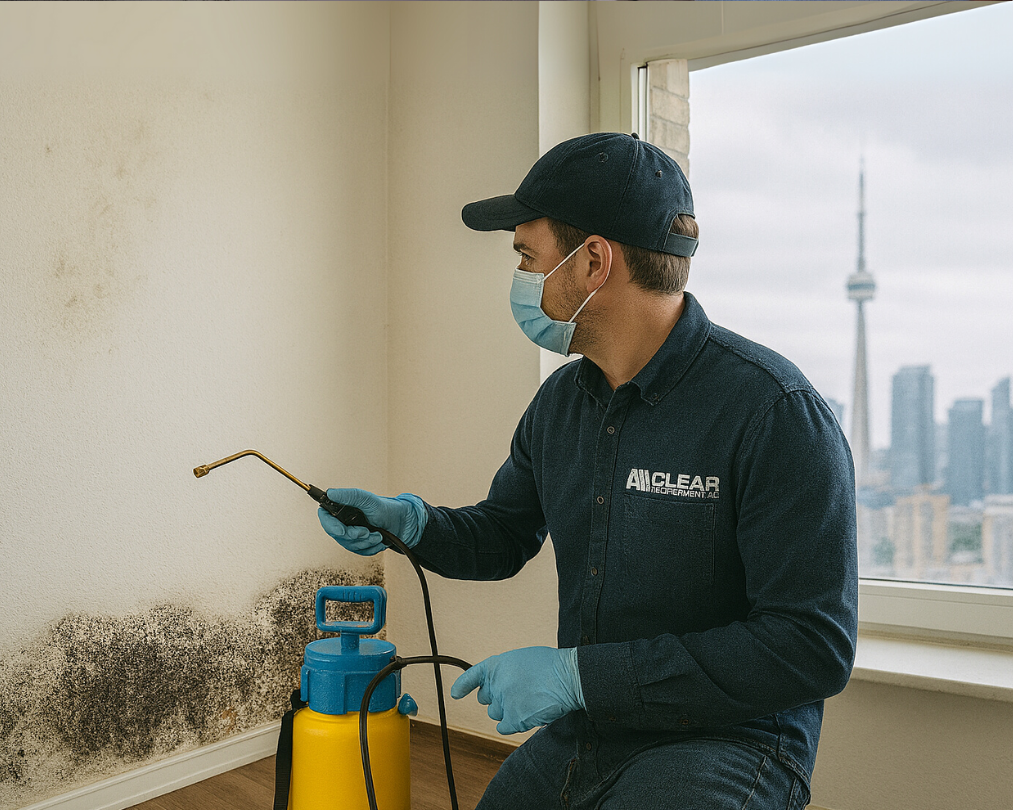
Professional mold remediation is more than just cleaning visible mold. It’s a comprehensive process designed to remove, contain, and prevent future growth.
- Inspection and Assessment
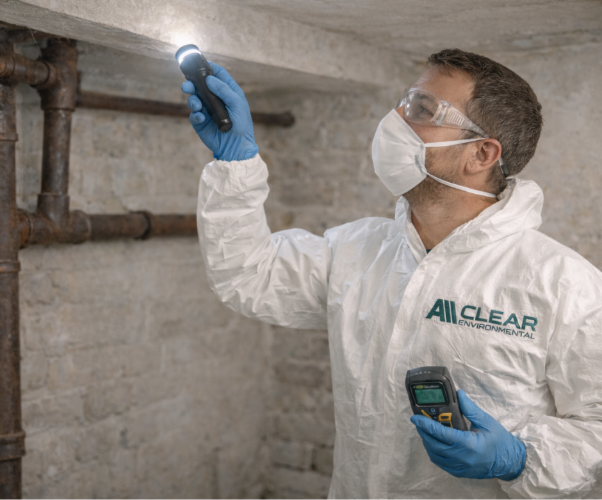
A certified mold inspector will identify the extent of the infestation, locate the source of moisture, and test the air and surfaces for mold spore levels. - Containment
The affected area is sealed off using plastic sheeting, and negative air pressure is applied to prevent spores from spreading to other areas of the home. - Air Filtration
HEPA filters and air scrubbers are used to remove mold spores from the air, reducing the risk of cross-contamination during removal. - Mold Removal and Cleaning
All contaminated materials such as drywall, insulation, and carpets are safely removed and bagged for disposal. Hard surfaces are cleaned with EPA-approved antimicrobials. - Drying and Dehumidification
Industrial-grade fans and dehumidifiers are used to dry the area thoroughly. Mold cannot grow without moisture, so this step is crucial. - Repairs and Restoration
Damaged structures are repaired, walls are replaced, and any aesthetic or structural issues caused by the mold are addressed. - Final Testing
Air and surface tests are performed again to confirm that mold levels are back to normal and your home is safe.
DIY Mold Removal: Is It Worth the Risk?
Many homeowners consider removing mold themselves using bleach or vinegar. While this might be effective for minor surface mold, it won’t address the root cause or hidden contamination.
DIY is not recommended if:
- The mold covers more than 10 square feet
- You suspect black mold or toxic species
- Someone in the home has health issues
- You’ve had a flood, leak, or water damage
- Mold has entered HVAC systems
Improper removal can spread spores and make the problem worse. Hiring professionals like All Clear Environmental ensures safe, permanent removal.
Prevention: How to Keep Mold Out of Your Home
Once mold is gone, you’ll want to keep it that way. Here’s how:
- Control Humidity
Use dehumidifiers in basements.
Keep indoor humidity below 50%.
Use exhaust fans in bathrooms and kitchens. - Fix Leaks Promptly
Check plumbing, windows, roofs, and foundations.
Don’t ignore slow leaks or dripping taps. - Improve Ventilation
Open windows regularly (weather permitting).
Use ceiling fans and HVAC systems with clean filters. - Waterproof Your Basement
Install sump pumps and weeping tiles.
Seal cracks in walls and floors.
Insulate pipes and walls to prevent condensation. - Monitor for Warning Signs
Conduct regular visual inspections, especially after storms or snow melt.
Trust your nose. If it smells musty, investigate further.
Why Choose All Clear Environmental for Mold Removal ?
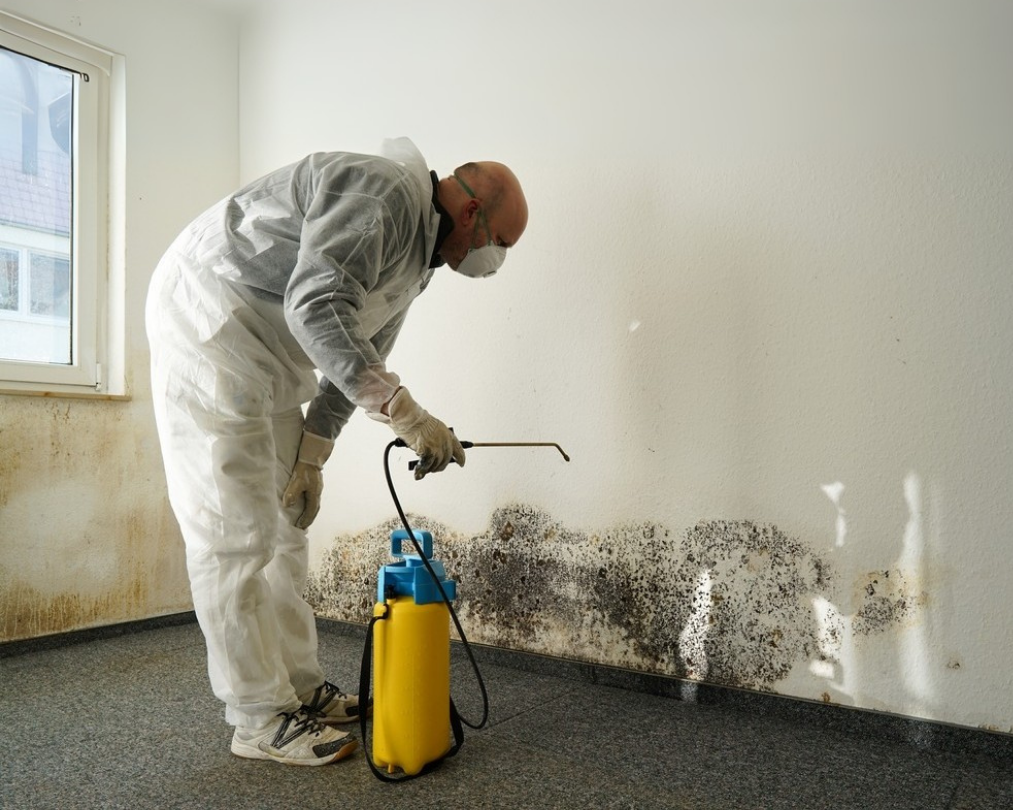
At All Clear Environmental, we specialize in safe, certified mold remediation across Toronto and the GTA. Our team of professionals brings:
- Over a decade of experience
- Certified inspectors and technicians
- Advanced containment and filtration systems
- Safe disposal and full restoration
- Detailed post-remediation reports
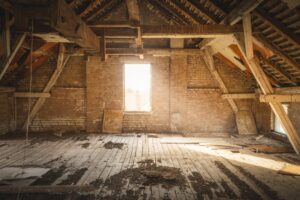
Whether you’re dealing with attic mold, basement issues, or post-flood recovery, we have the expertise and tools to restore your home.
What Sets All Clear Apart?
✅ Locally based in Toronto
✅ Fast response and emergency services
✅ Fully licensed and insured
✅ Transparent pricing with no hidden fees
✅ Eco-friendly, Health Canada-approved methods
We don’t just clean mold. We solve the moisture and ventilation issues that caused it, so it doesn’t come back.
Customer Testimonials
” Remarkably All Clear Environmental has out done the competition I initially got quotes from.
Another company asked for upfront 100% payments prior to completing a job, however, All Clear Environmental initially requested for 30% upfront but after amicably discussing, they agreed to do the job first. And boy they did a great job! And I paid in full thereafter!
The Customer service and logistics are bespoke and incredibly realistic and professional.
The price is reasonable and competitive.
The job is done with impeccable knowledgeability and accuracy.
Several payment options are also available to clients for convenience purposes.
I Rate Current the team highly.
They received my Stamp of Approval on the last two jobs they completed for us.
And I am a Business professional and a Canadian business owner.
Cheers..” – Bill Metieh
Mold and Real Estate in Toronto
Toronto’s real estate market is competitive, and mold can severely affect the value and salability of a property. If you’re planning to sell, a pre-listing mold inspection and certification of clearance can increase buyer confidence and protect your investment.
Is Mold Covered by Insurance?
Home insurance may or may not cover mold removal. Most policies cover mold resulting from a sudden and accidental incident, such as a burst pipe. However, gradual leaks and poor maintenance are usually not covered.
All Clear’s team can help you:
- Document the mold damage
- Assist with insurance claims
- Provide professional reports required by insurers
Final Thoughts: Don’t Wait. Act Today.
Mold is more than a nuisance. It’s a potential health hazard, a structural risk, and a financial liability. Whether you’re a homeowner, landlord, or buyer in the Toronto area, taking proactive steps to identify, remove, and prevent mold is one of the smartest decisions you can make.
Let All Clear Environmental help you breathe easier and live healthier.