

Signs of Mold Behind Walls: How to Identify Hidden Mold Before It Becomes a Major Problem
Mold is one of the most common hidden problems found inside homes and commercial buildings. While visible mold growth is easier to recognize, hidden mold behind walls can quietly spread for months before anyone notices a problem. This type of mold is especially concerning because it often develops out of sight, allowing moisture damage and contamination to increase over time.
Many property owners only realize there is a hidden mold issue when unpleasant odors appear, allergy symptoms worsen, or visible stains begin to emerge on walls and ceilings. By the time these signs become obvious, mold colonies may already be widespread.
Understanding how to identify mold hidden behind walls is important for protecting indoor air quality, maintaining structural integrity, and avoiding costly repairs. In this guide, we will explain why mold develops behind walls, the warning signs to look for, how hidden mold affects health, and what steps to take if you suspect a problem.
Why Mold Grows Behind Walls
Mold requires only a few conditions to thrive. It needs moisture, organic material, and a suitable temperature. Unfortunately, drywall, wood framing, insulation, and wallpaper can all provide an ideal environment for mold growth when exposed to moisture.
Walls often conceal plumbing lines, insulation, and hidden spaces where moisture can remain trapped for extended periods. Because these areas are not regularly inspected, mold may grow unnoticed.
Common causes of hidden mold behind walls include:
- Water leaks from pipes or plumbing fixtures
- Roof leaks that allow water intrusion
- Condensation caused by humidity
- Poor ventilation in bathrooms or kitchens
- Flooding or water damage
- Cracks in exterior walls allowing moisture penetration
- Improperly sealed windows or doors
Even a small leak behind drywall can create enough moisture for mold to develop within 24 to 48 hours.
Why Hidden Mold Is a Serious Problem
Unlike mold that grows on visible surfaces, hidden mold can spread extensively before it is discovered. Since it often grows inside wall cavities or behind insulation, property owners may not notice the problem until it has already caused damage.
Hidden mold can lead to several issues:
Structural Damage
Mold feeds on organic materials such as wood, drywall, and paper backing. Over time, mold can weaken wall structures, damage insulation, and reduce the integrity of framing materials.
Poor Indoor Air Quality
Mold releases spores into the air. Even when mold remains hidden, spores can travel through vents, cracks, and openings in walls. This can affect air quality throughout the property.
Increased Repair Costs
The longer mold remains undetected, the more extensive the remediation process may become. Early identification often reduces repair expenses.
Health Concerns
Hidden mold exposure can contribute to respiratory irritation, allergy symptoms, and other health issues.
Common Signs of Mold Behind Walls
Because hidden mold is not immediately visible, recognizing indirect warning signs is important. Many homes with hidden mold show subtle clues long before visible contamination appears.
1. Persistent Musty Odors
One of the earliest and most common signs of mold behind walls is a persistent musty smell.
Mold produces microbial volatile organic compounds, often referred to as MVOCs. These compounds create a damp, earthy odor that may become stronger in enclosed spaces.
If a room consistently smells musty even after cleaning, it may indicate mold growth behind walls or beneath flooring.
2. Water Stains or Discoloration
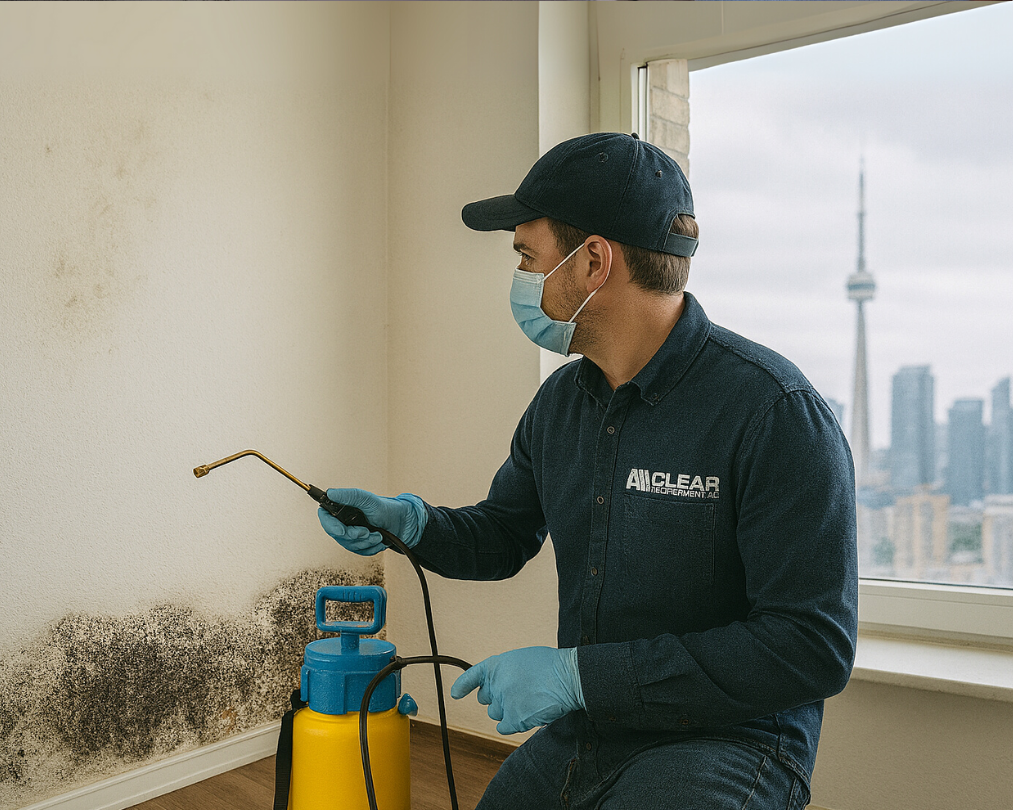
Discoloration on walls, ceilings, or baseboards can indicate hidden moisture problems.
Watch for:
- Yellow or brown stains
- Dark spots
- Peeling paint
- Bubbling wallpaper
- Soft drywall areas
These signs may indicate water intrusion that creates conditions favorable for mold growth.
3. Peeling Paint or Wallpaper
Moisture trapped behind walls often causes paint and wallpaper to separate from the surface.
When drywall absorbs moisture, the adhesive bond weakens, resulting in bubbling, cracking, or peeling finishes.
While peeling paint does not always indicate mold, it often suggests excessive moisture that can support mold growth.
4. Warped Walls or Bulging Surfaces
Walls affected by moisture may begin to deform.
Bulging drywall, uneven surfaces, or warped wall panels can signal water accumulation behind the wall cavity.
These physical changes should not be ignored because they may indicate both mold growth and structural deterioration.
5. Increased Allergy Symptoms Indoors
Many people notice symptoms before discovering mold.
Hidden mold exposure may contribute to:
- Sneezing
- Coughing
- Nasal congestion
- Itchy eyes
- Headaches
- Fatigue
- Skin irritation
- Respiratory discomfort
If symptoms improve when leaving the property, hidden mold may be affecting indoor air quality.
6. Condensation and High Humidity
Excess humidity creates an environment where mold can thrive.
Frequent condensation on windows, walls, or pipes may indicate moisture imbalance within the home.
Humidity levels above 60 percent increase the likelihood of hidden mold development.
7. Recent Water Damage
Properties that experienced flooding, plumbing leaks, or roof damage may develop hidden mold even if visible surfaces appear dry.
Moisture trapped behind drywall and insulation can remain for weeks.
Any previous water event should raise concern about potential hidden contamination.
Areas Where Hidden Mold Is Most Common
Certain areas of a home are more vulnerable to hidden mold.
Bathrooms
Bathrooms experience high humidity and frequent moisture exposure.
Mold commonly develops behind shower walls, under sinks, and around poorly ventilated areas.
Kitchens
Leaking pipes, appliance connections, and condensation near sinks can create moisture pockets.
Basements
Basements often have poor airflow and elevated humidity.
Foundation cracks or groundwater intrusion may contribute to hidden mold.
Attics
Roof leaks, poor insulation, and improper ventilation can cause mold growth behind attic walls and ceilings.
Laundry Rooms
Washing machine hoses and poor ventilation may create moisture buildup.
Exterior Walls
Improper sealing or cracks can allow rainwater to enter wall cavities.
How Professionals Detect Mold Behind Walls
Identifying hidden mold often requires specialized tools and expertise.
Environmental professionals use various methods to locate mold without unnecessary demolition.
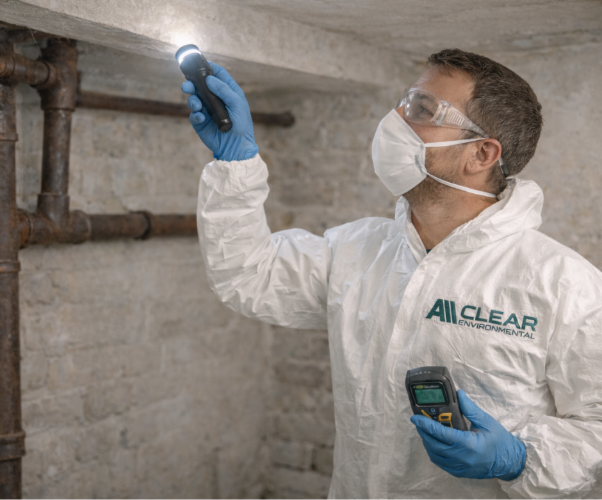
Moisture Meters
Moisture meters detect elevated moisture levels behind drywall.
These tools help professionals identify areas where hidden leaks or water retention may exist.
Infrared Thermal Imaging
Thermal cameras reveal temperature differences behind walls.
Cooler areas may indicate trapped moisture or hidden water intrusion.
Infrared imaging is non-invasive and helps identify problem areas quickly.
Air Quality Testing
Air sampling can detect elevated mold spore concentrations inside a property.
If mold spores are significantly higher indoors than outdoors, hidden mold may be present.
Wall Cavity Inspection
Professionals may use small inspection openings or fiber-optic cameras to examine wall cavities.
This approach minimizes damage while confirming mold presence.
Surface Sampling
Swab or tape sampling can help identify mold species and contamination levels.
Health Risks Associated With Hidden Mold
Hidden mold can impact health differently depending on exposure levels and individual sensitivity.
People with asthma, allergies, weakened immune systems, or respiratory conditions may be more vulnerable.
Common health effects linked to mold exposure include:
- Chronic sinus irritation
- Persistent coughing
- Wheezing
- Difficulty breathing
- Throat irritation
- Eye irritation
- Fatigue
- Increased asthma symptoms
Long-term exposure to mold may worsen indoor air quality and contribute to chronic discomfort.
Children, seniors, and individuals with compromised immune systems may experience stronger reactions.
What to Do If You Suspect Mold Behind Walls
If you notice warning signs of hidden mold, taking prompt action is important.
Avoid Disturbing the Area
Do not cut into walls or attempt to remove suspected mold without proper precautions.
Disturbing mold may release spores into the air.
Identify Moisture Sources
Try to determine whether a leak, condensation issue, or drainage problem may be contributing to moisture buildup.
Improve Ventilation
Reduce humidity by improving airflow.
Using exhaust fans, dehumidifiers, or opening windows may help lower moisture levels.
Schedule Professional Inspection
Environmental remediation professionals can evaluate the situation and recommend appropriate testing.
Professional inspections help confirm whether mold is present and determine the extent of contamination.
Can Hidden Mold Be Prevented?
While hidden mold cannot always be prevented, many risks can be reduced through proactive maintenance.
Control Indoor Humidity
Maintain humidity levels between 30 and 50 percent.
Dehumidifiers can help reduce excess moisture in basements and humid areas.
Repair Leaks Quickly
Even small plumbing leaks should be repaired immediately.
Fast repairs prevent moisture accumulation behind walls.
Improve Ventilation
Bathrooms, kitchens, and laundry rooms should have adequate ventilation.
Exhaust fans help remove moisture before it settles into wall cavities.
Inspect High-Risk Areas Regularly
Check under sinks, around windows, and near water appliances for early signs of moisture.
Address Water Damage Immediately
Drying water-damaged materials quickly reduces the risk of mold growth.
Professional drying services may be necessary after flooding.
Why Professional Mold Assessment Matters
Hidden mold is difficult to diagnose without experience and equipment.
DIY methods may fail to identify the full extent of contamination.
Professional environmental inspection companies understand:
- Moisture tracking
- Indoor air quality testing
- Mold identification
- Safe containment procedures
- Remediation recommendations
Accurate assessment ensures that mold problems are resolved correctly rather than temporarily hidden.
Final Thoughts
Hidden mold behind walls is a common but often overlooked issue in homes and buildings. Because it develops in concealed spaces, mold may remain undetected for long periods while gradually affecting indoor air quality and structural materials.
Recognizing early warning signs such as musty odors, water stains, peeling paint, allergy symptoms, or past water damage can help property owners act before the issue becomes severe.
Early detection is essential because mold problems tend to worsen over time. The sooner hidden mold is identified, the easier it is to address moisture sources and prevent widespread contamination.
If you suspect mold behind walls, professional inspection is the safest way to confirm the issue and determine the most effective solution.
Allclear Environmental provides professional mold inspection, indoor air quality testing, environmental remediation, and moisture investigation services to help property owners identify hidden mold and restore healthy indoor environments. Their experienced team uses advanced diagnostic tools to locate hidden contamination and recommend safe, effective solutions for long-term protection.