

What to Do If Asbestos Is Found During a Home Renovation
Home renovations are exciting projects. Whether you’re updating a kitchen, finishing a basement, or modernizing an older home, renovations can dramatically improve comfort and property value. However, if your home was built decades ago, renovations can also uncover hidden hazards, one of the most common being asbestos.
Finding asbestos during a renovation can be alarming, but it’s important to remember that it can be managed safely when handled correctly. The key is knowing how to respond quickly and responsibly to protect your health, your family, and anyone working in the home.
In this guide, we’ll explain what asbestos is, why it is dangerous, and the steps you should take if it is discovered during a renovation project.
Understanding Asbestos and Why It’s Dangerous
Asbestos is a group of naturally occurring minerals that were widely used in construction materials throughout much of the 20th century. Because asbestos fibers are heat-resistant, durable, and inexpensive, they were commonly added to insulation, flooring, drywall compounds, ceiling tiles, roofing materials, and pipe insulation.
In many older homes, asbestos-containing materials are still present today. If these materials remain intact and undisturbed, they often pose little risk. However, when renovations begin cutting walls, removing flooring, drilling, or demolition, these materials can release microscopic asbestos fibers into the air.
Once airborne, asbestos fibers can be inhaled. Over time, exposure may lead to serious health conditions such as:
- Asbestosis (scarring of the lungs)
- Lung cancer
- Mesothelioma (a rare cancer affecting the lining of the lungs)
These illnesses typically develop after long-term exposure, which is why strict safety procedures are required when asbestos is discovered.
Where Asbestos Is Commonly Found During Renovations
Many homeowners are surprised when asbestos appears during renovation projects. It often exists in materials that look completely ordinary.
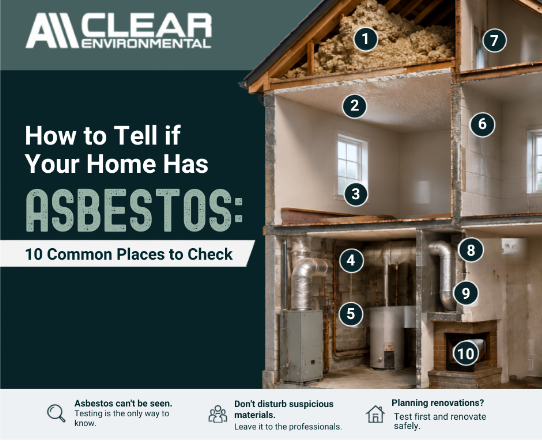
Common places where asbestos may be found include:
1. Insulation materials
Older homes frequently contain asbestos in attic insulation, pipe insulation, or furnace duct coverings.
2. Vinyl floor tiles and adhesives
Certain vinyl flooring products manufactured before the 1980s may contain asbestos fibers.
3. Ceiling tiles and textured ceilings
Popcorn ceilings or acoustic ceiling tiles in older buildings sometimes include asbestos.
4. Drywall compounds
Joint compound used in drywall finishing historically included asbestos for added durability.
5. Roofing and siding materials
Shingles, cement siding, and roofing felt sometimes contained asbestos.
Because asbestos cannot be identified by sight alone, laboratory testing is required to confirm whether materials contain asbestos fibers.
Step 1: Stop Renovation Work Immediately
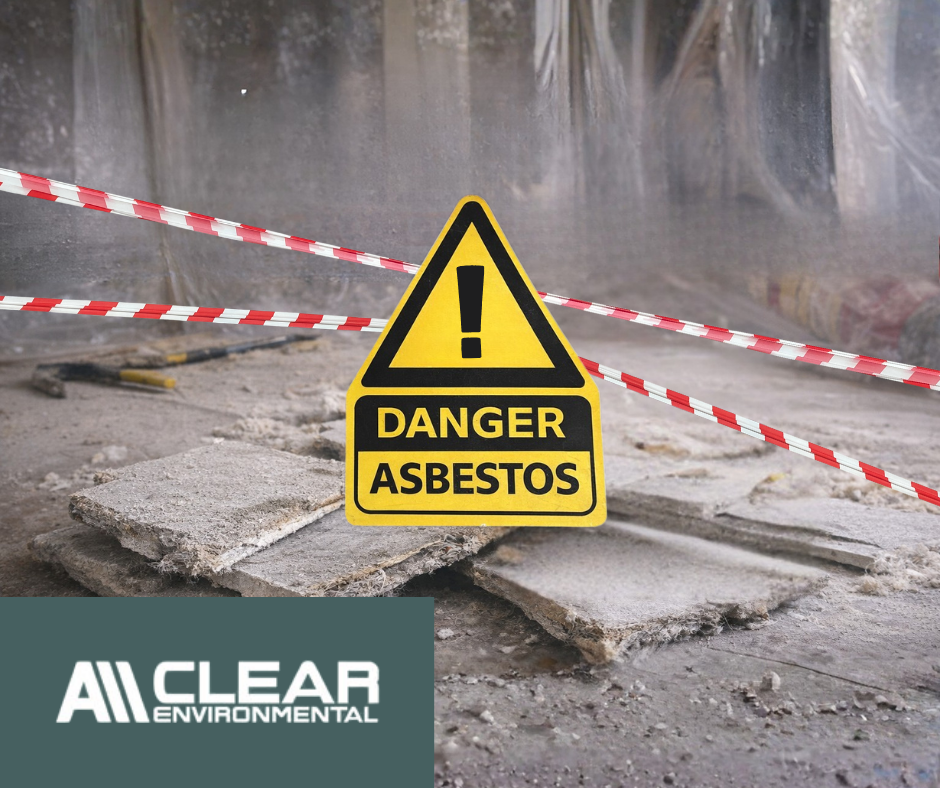
If you suspect that asbestos has been uncovered during a renovation, the most important step is to stop work immediately.
Disturbing asbestos-containing materials can release hazardous fibers into the air. Continuing demolition, sanding, or drilling can significantly increase exposure risk for everyone in the building.
Once work stops:
- Avoid touching the material
- Do not attempt to clean or sweep debris
- Prevent others from entering the area
- Turn off fans or ventilation systems that might spread fibers
These actions help prevent asbestos fibers from becoming airborne and spreading throughout the home.
Step 2: Isolate the Area
After stopping work, the next step is to isolate the affected area as much as possible.
Containment is important because asbestos fibers are extremely small and can easily travel through air currents. Safety guidelines typically recommend separating the work zone from other areas to reduce contamination.
Practical steps homeowners can take include:
- Closing doors leading to the renovation area
- Sealing vents and ducts if possible
- Keeping children and pets away
- Avoiding activities that could disturb the material
Professional asbestos removal teams typically create sealed containment areas using plastic barriers and specialized air filtration systems to prevent fibers from spreading.
Step 3: Arrange Professional Testing
One of the most important facts about asbestos is that you cannot identify it by appearance alone. Even experienced contractors cannot reliably determine whether a material contains asbestos without laboratory analysis.
A certified asbestos professional can safely collect samples and send them to an accredited laboratory for testing. Sampling must be done carefully because disturbing the material improperly can release fibers.
Professional testing will determine:
- Whether asbestos is present
- The concentration of asbestos fibers
- The type of asbestos-containing material
- The level of risk associated with removal or disturbance
Testing provides the information necessary to decide the safest next steps for your renovation.
Step 4: Hire Certified Asbestos Abatement Professionals
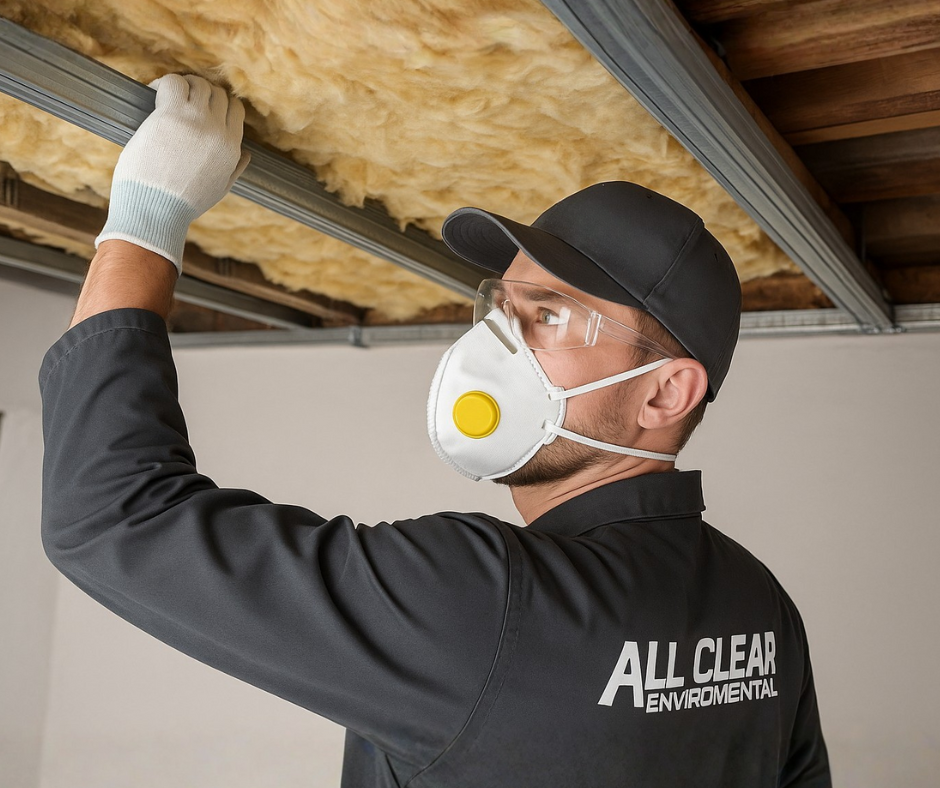
If asbestos is confirmed, removal or containment should always be handled by trained professionals.
Asbestos removal, also called asbestos abatement, requires specialized training, equipment, and strict safety procedures to prevent exposure.
Professional abatement teams typically follow a process that includes:
- Sealing off the contaminated area
- Installing negative air pressure systems
- Wearing full protective equipment
- Using HEPA filtration systems
- Proper packaging and disposal of contaminated waste
These procedures protect workers, occupants, and the surrounding environment from exposure.
In many regions, asbestos removal is regulated by law, and only licensed contractors are permitted to perform certain types of removal work.
Step 5: Decide Between Removal, Encapsulation, or Containment
Not all asbestos discoveries require complete removal. Depending on the condition of the material and the renovation plans, professionals may recommend one of three approaches.
Removal
Removal involves physically extracting asbestos-containing materials from the building.
This approach is often necessary when:
- Materials are damaged
- Renovations will disturb them
- The asbestos is deteriorating
Removal is the most permanent solution but also the most complex.
Encapsulation
Encapsulation involves sealing asbestos materials with a protective coating that prevents fibers from becoming airborne.
This method may be recommended when materials are stable but located in an area that might be disturbed in the future.
Enclosure
Enclosure means constructing a barrier around asbestos materials to prevent contact or disturbance.
For example, asbestos insulation might be enclosed behind walls or panels during renovations.
A qualified asbestos professional will evaluate the situation and recommend the safest option.
Step 6: Follow Proper Waste Disposal Procedures
Asbestos waste cannot be disposed of like normal construction debris.
Once removed, asbestos materials must be carefully sealed in specialized containers and transported to approved disposal facilities. Improper disposal can create environmental hazards and may result in significant fines or penalties.
Professional abatement companies handle:
- Packaging and labeling contaminated materials
- Transporting asbestos waste safely
- Ensuring disposal complies with local regulations
This process ensures the hazard is completely removed from your property.
Step 7: Air Testing and Clearance
After asbestos removal or containment is complete, professional air testing may be conducted to verify that the environment is safe.
Air monitoring measures the concentration of airborne fibers and confirms that levels are within safe limits before occupants return to the area.
Clearance testing typically involves:
- Visual inspection of the work area
- Air sampling with specialized equipment
- Laboratory analysis of collected samples
Only after clearance testing confirms safe conditions should renovation work resume.
Preventing Asbestos Surprises During Renovations
The best way to avoid asbestos-related delays during renovations is to conduct testing before any demolition begins.
Health and safety agencies recommend having older homes inspected for asbestos before remodeling projects start.
Pre-renovation asbestos inspections can identify hazardous materials early and allow removal to be planned safely before construction begins.
This proactive approach can save time, reduce costs, and protect everyone involved in the renovation.
Why Professional Help Matters
Handling asbestos without proper training can be extremely dangerous.
Even small amounts of disturbed asbestos can release thousands of microscopic fibers that remain airborne for hours. Improper handling not only exposes workers and residents but can also contaminate other areas of the home.
Professional environmental remediation companies provide the expertise, equipment, and regulatory compliance necessary to manage asbestos safely.
Experienced teams understand:
- Hazard assessment
- Containment procedures
- Safe removal methods
- Air quality monitoring
- Environmental disposal regulations
Working with trained professionals ensures the problem is handled correctly from start to finish.
Final Thoughts
Discovering asbestos during a home renovation can be stressful, but it doesn’t have to derail your project. With the right approach, the issue can be resolved safely and efficiently.
The most important steps are simple:
- Stop work immediately if asbestos is suspected
- Avoid disturbing the material
- Arrange professional testing
- Hire certified asbestos abatement specialists
- Follow proper removal and disposal procedures
By taking these precautions, homeowners can protect their health while keeping renovation projects on track.
If asbestos is discovered during your renovation, the safest choice is to consult experienced environmental professionals who can assess the situation and recommend the best course of action.
Proper management today ensures a safer home for years to come.
If asbestos is discovered during a renovation project, professional assistance is essential to ensure safe handling and compliance with environmental regulations. All Clear Environmental provides expert asbestos inspection, testing, abatement, containment, and environmental remediation services to help homeowners and contractors manage hazardous materials safely. Their trained specialists follow strict safety protocols to protect occupants, workers, and surrounding areas, ensuring renovation projects can continue with confidence and peace of mind.
Contact All Clear Environmental today to get a quote and ensure your renovation project is handled safely and professionally.