

Mold and Asbestos in Older Homes: Prevention, Early Detection and Long Term Health Outcomes
Older homes often represent stability, craftsmanship and long standing neighborhoods. Many property owners are drawn to their architectural details, solid construction and historical value. However, behind these appealing characteristics, older homes frequently conceal environmental hazards that were once considered safe or unavoidable during construction. Among the most serious of these hazards are mold and asbestos. Both can remain hidden for years, silently affecting indoor air quality and posing significant risks to human health.
Understanding how mold and asbestos develop, how they are detected and what long term consequences they can have is essential for anyone living in, renovating or managing an older property. Awareness and proactive action are key to preventing exposure and protecting both occupants and property value.
Why Older Homes Are at Higher Risk
Homes built before the 1980s were constructed under very different regulatory standards. Materials that are now known to be hazardous were widely used because of their durability, affordability and fire resistant properties. Asbestos was commonly incorporated into insulation, drywall compounds, floor tiles, ceiling textures, pipe wrapping and roofing materials. At the time, its health risks were not fully understood or were underestimated.
Mold risks also tend to increase as buildings age. Older homes may have outdated ventilation systems, aging plumbing, foundation cracks or insulation that no longer performs efficiently. Over time, even minor moisture intrusion can create ideal conditions for mold growth. Poor airflow combined with humidity allows mold spores to multiply behind walls, under floors and in attics long before any visible signs appear.
When mold and asbestos coexist in an older home, the risks can compound. Renovation or demolition activities can disturb asbestos containing materials, while moisture issues can accelerate mold growth. Without proper assessment, these hazards often remain undetected until health symptoms emerge.
Understanding Asbestos Exposure in Residential Properties
Asbestos becomes dangerous when its fibers are released into the air. Intact materials may not pose immediate harm, but aging, damage or disturbance can cause fibers to break free. Once airborne, asbestos fibers are easily inhaled and can lodge deep in the lungs. The body is unable to expel them effectively, allowing inflammation and tissue damage to develop over time.
Health conditions associated with asbestos exposure often have long latency periods. Diseases such as asbestosis, lung cancer and mesothelioma may not appear for decades after exposure. This delayed onset makes asbestos particularly dangerous because individuals may be unaware of the source of exposure until it is too late.
In residential settings, asbestos exposure most often occurs during renovations, repairs or DIY projects. Cutting into walls, grinding mastic floor or removing insulation without proper testing can release significant amounts of asbestos fibers into the indoor environment. Once released, these fibers can remain suspended in the air or settle on surfaces, continuing to pose a risk long after the work is completed.
Mold Growth and Its Impact on Indoor Air Quality
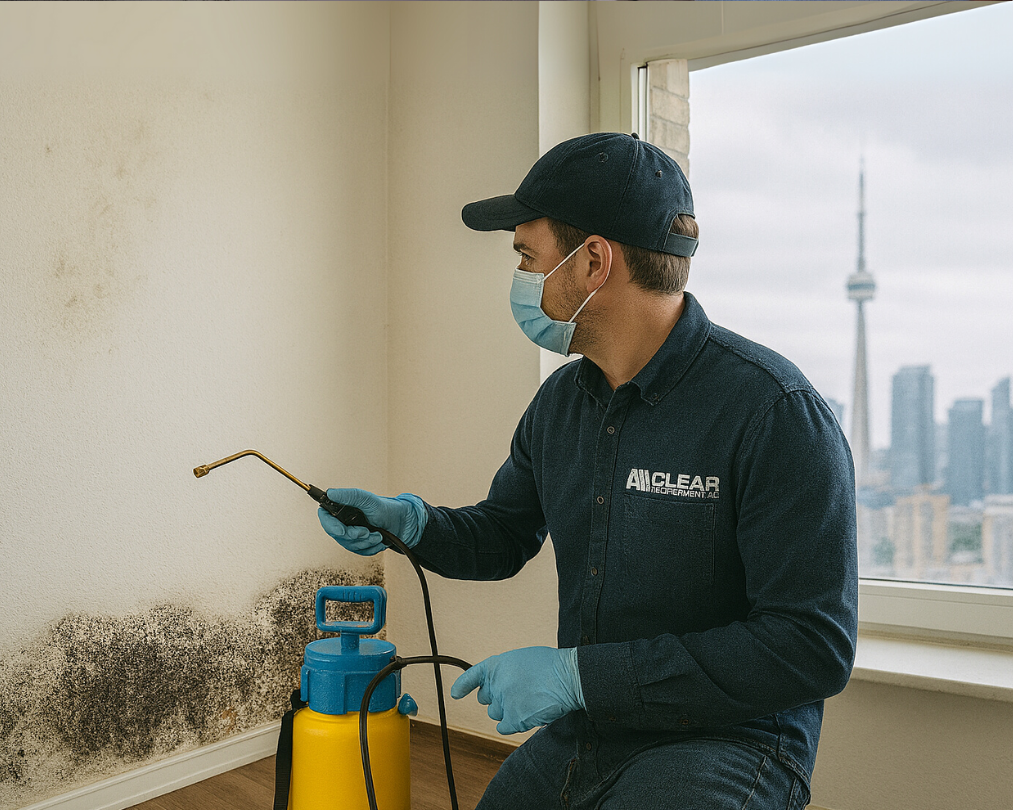
Mold is a living organism that thrives in damp environments. It reproduces through microscopic spores that spread easily through air circulation systems. Unlike asbestos, mold growth can escalate rapidly, especially when moisture sources are not addressed.
Older homes are particularly vulnerable to mold due to hidden leaks, poor drainage and inadequate insulation. Basements and crawl spaces are common problem areas, but mold can also develop behind walls, under carpets and above ceilings. Because mold is often hidden, occupants may experience symptoms long before they see visible growth.
Exposure to mold can cause a wide range of health effects. Short term exposure may result in nasal congestion, coughing, skin irritation or eye discomfort. Long term exposure has been linked to chronic respiratory issues, worsening asthma, fatigue, headaches and immune system complications. Individuals with allergies, respiratory conditions or weakened immune systems are especially susceptible.
Poor indoor air quality caused by mold can also impact cognitive function, sleep quality and overall wellbeing. For families, this can lead to repeated illnesses, reduced productivity and increased healthcare costs.
The Importance of Prevention
Preventing mold and asbestos exposure begins with awareness and responsible property management. Homeowners should avoid disturbing suspect materials without professional guidance. Any home built before the 1990s should be assumed to potentially contain asbestos until proven otherwise through testing.
Moisture control is the most effective way to prevent mold growth. Regular inspections of plumbing systems, roofs and foundations can help identify leaks early. Proper ventilation in kitchens, bathrooms and laundry areas reduces humidity levels and discourages mold development. Maintaining gutters and drainage systems also prevents water from entering the building envelope.
For property owners planning renovations, prevention means incorporating environmental assessments into the project planning phase. Testing before demolition or remodeling ensures that hazardous materials are identified and managed safely. This approach protects workers, occupants and neighboring properties from unintended exposure.
Early Detection Through Professional Testing
Early detection is one of the most powerful tools in managing environmental risks. Professional testing allows for accurate identification of mold and asbestos before health issues arise or contamination spreads.
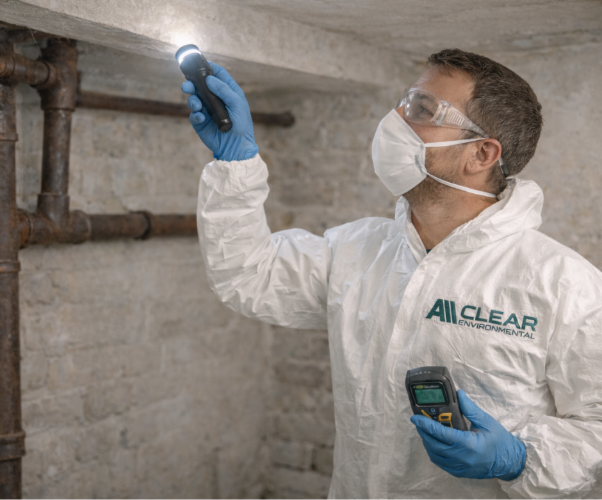
Asbestos testing typically involves sampling suspect materials and analyzing them in certified laboratories. This process determines whether asbestos is present and identifies the type and concentration. Knowing this information allows property owners to choose the safest and most cost effective remediation strategy.
Mold testing may include air sampling, surface sampling and moisture assessments. These tests help identify the presence of mold spores, determine the extent of contamination and locate hidden sources of moisture. Air quality testing is especially valuable in cases where occupants experience symptoms but no visible mold is present.
Early detection reduces remediation costs, minimizes disruption and significantly lowers health risks. It also provides documentation that can be critical during property transactions, insurance claims or regulatory inspections.
Long Term Health Outcomes and Financial Implications
Ignoring mold and asbestos risks can lead to serious long term consequences. Chronic exposure may result in ongoing medical treatment and reduced quality of life. In severe cases, asbestos related illnesses can be fatal and mold related conditions can become debilitating.
Beyond health concerns, unresolved environmental hazards can impact property value. Homes with a history of mold or asbestos contamination may face reduced marketability and legal complications during sales or rentals. Insurance claims related to environmental damage may also be denied if proper preventive measures were not taken.
Proactive management of these risks protects not only physical health but also financial stability. Investing in testing and remediation is often far less costly than dealing with long term health care expenses or property devaluation.
Professional Remediation and Long Term Peace of Mind
When mold or asbestos is identified, professional remediation is essential. Attempting to remove or contain hazardous materials without proper training and equipment can worsen contamination and increase exposure. Certified environmental professionals follow strict safety protocols, including containment, air filtration and proper disposal procedures.
Professional remediation ensures that contaminants are removed safely and that indoor environments are restored to acceptable air quality standards. It also provides documentation confirming that the work was completed in compliance with environmental regulations.
How All Clear Environmental Can Help
If you own or manage an older home and have concerns about mold or asbestos, All Clear Environmental provides reliable, professional solutions. Our experienced team specializes in environmental effective remediation for residential properties.
Whether you are planning a renovation, addressing health concerns or simply want peace of mind, All Clear Environmental is committed to protecting your home and your health. Contact us today to schedule professional testing or consultation and take the first step toward a safer, healthier indoor environment.